Pakistan is no stranger to extreme heat. Every summer, millions of people across the country face dangerously high temperatures that make daily life uncomfortable, exhausting, and even life-threatening. If you live in one of Pakistan’s hottest cities, you already know the struggle — the relentless sun, the scorching air, and the desperate search for relief.
In this comprehensive guide, we have identified the 14 hottest cities in Pakistan based on their highest recorded temperatures. More importantly, we explain why investing in a high-quality air cooler is no longer a luxury — it is a necessity. Whether you are in the deserts of Balochistan or the scorching plains of Sindh and Punjab, the right air cooler can make all the difference
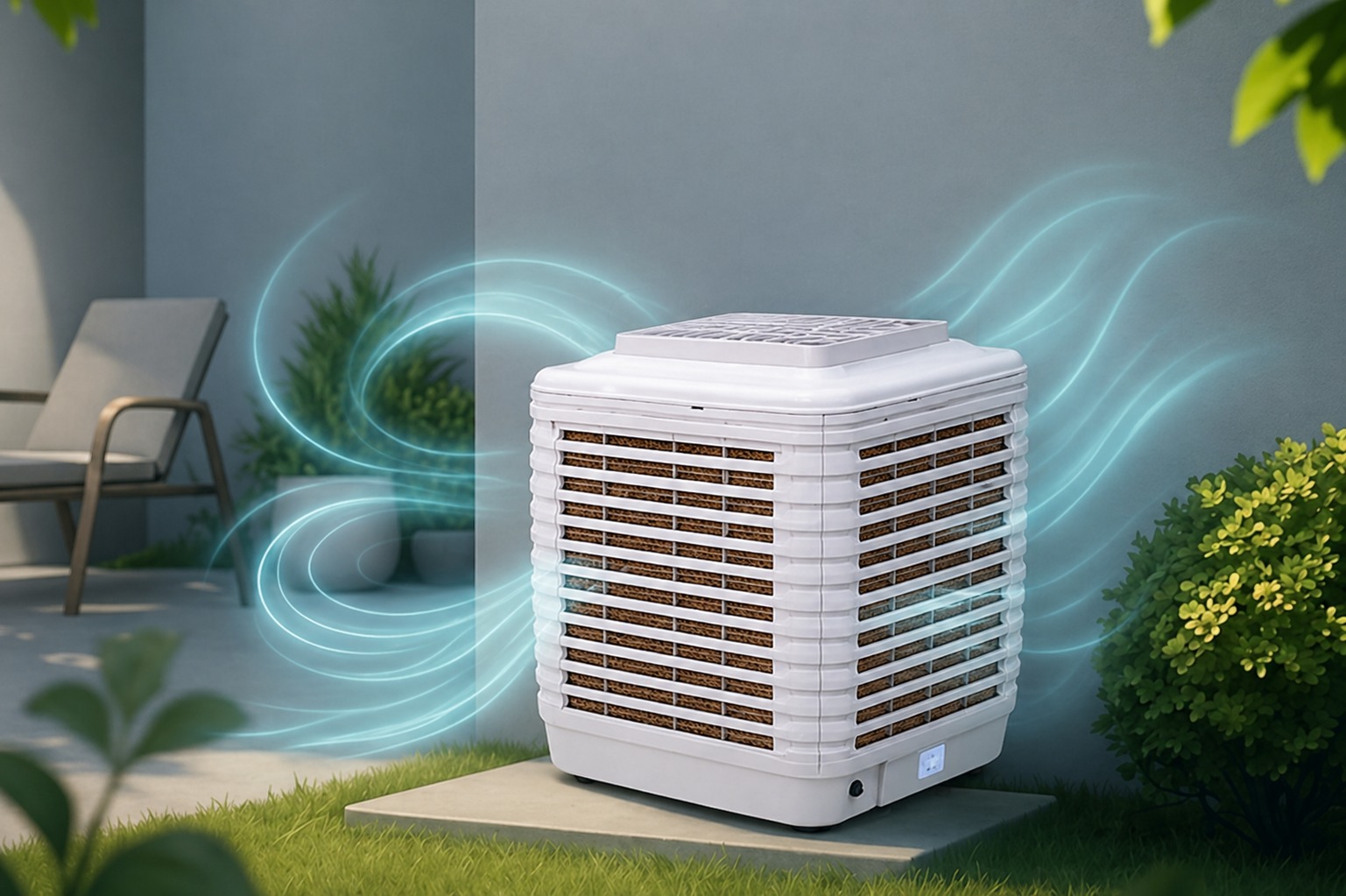
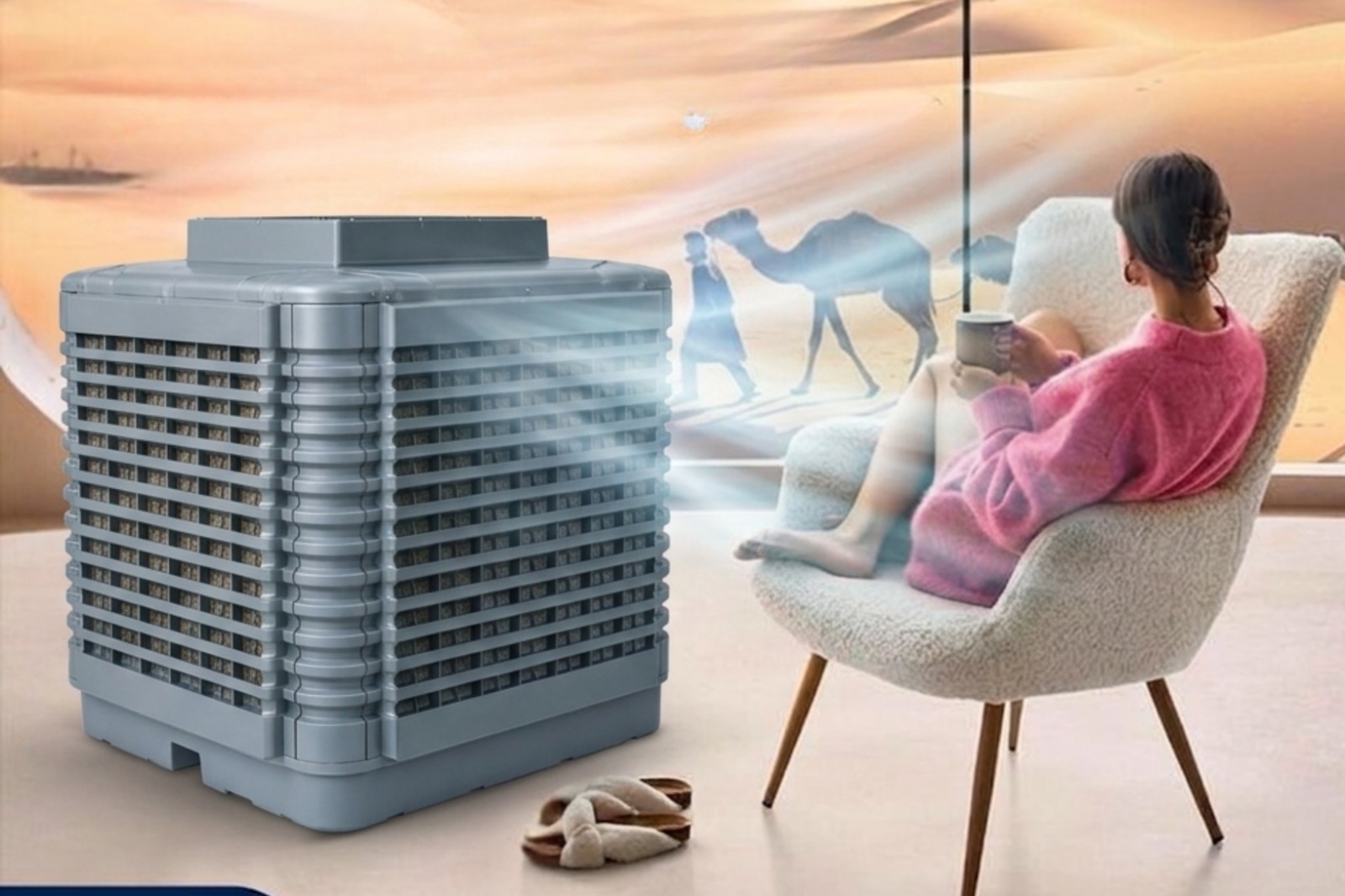
Why an Air Cooler Is the Smart Choice for Pakistan’s Climate
Before we explore Pakistan’s hottest cities, let us address the most important question: why should you choose an air cooler over an AC?
- Up to 80% less electricity consumption compared to traditional air conditioners
- No refrigerant gases — eco-friendly and safe for your family and the environment
- Affordable upfront cost with minimal ongoing maintenance requirements
- Natural cooling using water evaporation — healthier for the respiratory system
- Portable design — move it from room to room wherever cooling is needed most
- Ideal for Pakistan’s dry, arid climate found across most of the country’s hottest regions
1. Turbat, Balochistan — Pakistan’s Hottest City at 53.7°C
Turbat holds the record for the highest temperature ever reliably recorded in Pakistan — a staggering 53.7°C. Located in the Makran Division of Balochistan, Turbat sits in a hot desert climate zone where summer temperatures are legendary. In May 2017, Turbat recorded 53.7°C, placing it among the hottest readings ever documented anywhere on Earth.
In Turbat, an air cooler is not a comfort product — it is survival equipment. The combination of extreme heat and low humidity makes evaporative air coolers exceptionally effective here. Residents need heavy-duty desert coolers with large water tanks of at least 50 litres and powerful motors to cool larger rooms and open spaces around the clock.
2. Mohenjo-daro, Sindh — 53.5°C Ancient Land, Modern Heat
Famous across the world as the site of one of humanity’s oldest civilizations, Mohenjo-Daro in Sindh is equally known today for its brutal heat. With temperatures reaching 53.5°C, this archaeological landmark sits in one of the most thermally intense environments in Asia. The hot desert climate means near-zero rainfall during summers and relentless sun from April through September.
Residents and workers in and around Mohenjo-daro depend heavily on air coolers to make their homes and workplaces bearable. Evaporative coolers work exceptionally well in this dry climate, pulling warm air through water-soaked pads to deliver a continuous stream of cool, fresh air at a fraction of the cost of running an air conditioner.
3. Jacobabad, Sindh — 52.8°C One of the World’s Most Extreme Heat Zones
Jacobabad has earned global attention from climate scientists as one of the few places on Earth approaching the threshold of human heat survivability during peak summers. With a recorded high of 52.8°C and wet-bulb temperatures that challenge the limits of what the human body can tolerate, Jacobabad is a city under severe and growing climatic stress.
For the hundreds of thousands who call Jacobabad home, an efficient air cooler is not a comfort device — it is a health device. Families across Jacobabad run desert air coolers around the clock during peak summer months, and demand for cooling solutions continues to grow every year.
4. Sibi, Balochistan — 52.6°C The Furnace of Pakistan
Sibi in Balochistan is widely known as the furnace of Pakistan. Surrounded by bare mountains and positioned in a geographic bowl that traps rising heat, Sibi’s summers are relentless. Temperatures regularly exceed 50°C, and the highest recorded reading stands at 52.6°C. The famous Sibi Mela is held in February — the one brief window when outdoor activity is genuinely comfortable.
During summer, Sibi residents depend entirely on indoor cooling. Air coolers with high airflow ratings are essential here, capable of pushing cool air effectively through larger rooms and traditional open-plan structures common in the region
5. Nawabshah, Sindh — 50.2°C Where Heat Defines Daily Life
Nawabshah, officially known as Shaheed Benazirabad, is a significant commercial and agricultural hub in Sindh’s interior with a recorded peak temperature of 50.2°C. Life in Nawabshah does not stop when summer arrives — but it becomes considerably harder. Outdoor workers, shopkeepers, and families all need effective cooling to maintain productivity and protect their health.
Air coolers are widely used across Nawabshah’s homes and small businesses. The hot desert climate makes evaporative cooling highly efficient, offering genuine relief from April through October. A quality air cooler in Nawabshah pays for itself quickly in electricity savings alone compared to running an air conditioner.
6. Dadu, Sindh — 50.0°C Searing Heat in the Heart of Sindh
Dadu district in central Sindh records temperatures reaching 50.0°C. Predominantly agricultural, a large portion of Dadu’s population works outdoors during the hottest months. Returning home to a cooler environment is essential for physical recovery and preventing heat-related illness.
For families in Dadu, air coolers represent the most affordable and practical cooling option available. With power outages common in interior Sindh, low-wattage coolers also offer the advantage of running on UPS backup systems — providing cooling even during long periods of load shedding.
7. Rohri, Sindh — 49.5°C Beside the Indus, Under a Blazing Sky
Rohri is a historic town on the eastern bank of the Indus River in Sukkur district. Despite its riverside location, Rohri offers no escape from summer heat, with temperatures climbing to 49.5°C. The proximity to the Indus can add occasional humidity, making temperatures feel even more oppressive and draining.
For areas with slight humidity near water bodies, choosing the right cooler type matters. Personal air coolers with adjustable settings or hybrid models that handle semi-humid conditions provide better performance for Rohri residents than basic arid-climate-only models.
8. Sukkur, Sindh — 49.0°C A Major City With a Major Cooling Need
Sukkur is one of Sindh’s most important cities — a significant transportation, trade, and cultural hub on the Indus River. With a population exceeding half a million and summer temperatures reaching 49.0°C, cooling demand in Sukkur is enormous. From residential homes and hospitals to offices and commercial markets, air coolers are found in virtually every building.
For Sukkur residents, choosing a cooler with a durable motor, large water capacity, and multi-speed fan settings is the wisest investment for surviving an entire summer season comfortably.
9. Bahawalpur, Punjab — 48.7°C Where the Desert Meets Punjab’s Plains
Bahawalpur sits at the edge of the Cholistan Desert in southern Punjab, and its climate fully reflects this desert-edge geography. With temperatures peaking at 48.7°C, Bahawalpur is the hottest city in Punjab province. Despite being a significant urban centre, the city battles brutally oppressive summer conditions every year from April through September.
The dry desert air blowing in from Cholistan makes evaporative cooling particularly effective here. Residents of Bahawalpur enjoy a genuine and measurable drop in room temperature with a quality air cooler, making it one of the most valued household purchases in the city.
10. Rahim Yar Khan, Punjab — 48.0°C Gateway to the South and the Heat
Rahim Yar Khan is a busy city in southern Punjab serving as a gateway between Punjab and Sindh. Its location near the Cholistan Desert belt means summer temperatures regularly hit 48.0°C. As a major agricultural area, many families have limited incomes, making affordable and energy-efficient cooling solutions especially critical.
Air coolers are the overwhelmingly preferred cooling solution in Rahim Yar Khan. Models with energy-saving motors and wide cooling coverage allow a single cooler to serve an entire household effectively, delivering real value for money.
11. Multan, Punjab — 47.8°C The City of Saints and Scorching Summers
Multan is one of Pakistan’s oldest and most celebrated cities — a place of rich history, deep culture, and Sufi spirituality. It is also famously, relentlessly hot. With peak temperatures reaching 47.8°C and a hot semi-arid climate, Multan’s summers stretch from April to October, pushing residents to their limits every year.
Multan’s large urban population and rapidly growing middle class have made it one of the biggest markets for air coolers in all of Pakistan. From compact personal coolers for small rooms to powerful tower models for large family spaces, an air cooler in Multan is one of the most practical and valued investments a household can make.
12. Khairpur, Sindh — 47.5°C Pakistan’s Date Capital and Its Desert Heat
Khairpur in Sindh is celebrated as Pakistan’s date palm capital, with vast groves of date trees lining its landscape. However, the same dry desert heat that helps dates ripen perfectly is gruelling for human inhabitants. Temperatures reach 47.5°C, and the dry, dusty seasonal winds add significantly to the daily discomfort.
For Khairpur’s families and agricultural workers, air coolers with effective dust filtration are particularly valuable. Models fitted with washable honeycomb cooling pads and anti-dust intake filters are the most suitable choice for residents of this region.
13. Larkana, Sindh — 47.3°C Historic City, Unforgiving Heat
Larkana is a politically and historically significant city in Sindh, best known as the ancestral home of the Bhutto political dynasty. Peak temperatures reach 47.3°C, and long dry summers test the endurance of Larkana’s residents every year, with June and July being particularly punishing months.
With growing urbanisation and an expanding middle class, demand for home cooling in Larkana is rising rapidly. Air coolers offering quiet operation are especially popular here, as many families run their cooler through the night during the hottest weeks to ensure restful, safe sleep.
14. Hyderabad, Sindh — 46.5°C Sindh’s Second City Battles the Heat
Hyderabad is Sindh’s second largest city and a major commercial, industrial, and educational centre. While slightly cooler than deeper interior cities, Hyderabad still records peak temperatures of 46.5°C and endures long, oppressive summers, occasionally made more uncomfortable by humidity drifting in from nearby coastal areas.
Hyderabad’s large student population, industrial workforce, and busy commercial sector all rely on air coolers as their primary cooling solution. Demand exists for all cooler sizes — from slim tower models for tight urban spaces to powerful floor units for larger family rooms.
How to Choose the Right Air Cooler for Pakistan’s Extreme Heat
- Tank Capacity: For extreme heat cities like Turbat, Jacobabad and Sibi, choose coolers with 40-60 litre tanks for all-day operation without constant refilling.
- Airflow (CFM): For rooms larger than 300 sq ft, look for coolers rated at 3,000 CFM or above.
- Cooling Pad Type: Honeycomb pads are superior to wood wool — they cool better, last longer, and are easier to maintain.
- Energy Consumption: A low-wattage cooler (150-250 watts) runs comfortably on inverters during load shedding.
- Portability: Castor wheels and carry handles let you move the cooler wherever it is needed most.
- Noise Level: For night use, opt for a model rated below 55 decibels for undisturbed sleep.
- Durability: In dusty cities like Turbat, Sibi and Khairpur, choose rust-resistant steel or high-grade ABS plastic bodies.
Frequently Asked Questions
Q: Are air coolers effective in extremely hot cities like Turbat and Jacobabad? A: Yes — hot, dry desert climates with low humidity are the ideal environment for evaporative cooling. The drier the air, the more efficiently the cooler reduces room temperature.
Q: How much electricity does an air cooler use compared to an AC? A: A typical air cooler uses 150-250 watts while a standard 1.5-ton split AC uses 1,200-1,500 watts — roughly 80-85% less electricity consumption over a full summer.
Q: Can I use an air cooler during load shedding? A: Absolutely. Air coolers consume so little power that a standard UPS or home inverter can run them for several hours, making them ideal for cities with frequent power cuts.
Q: Which cooler size is right for my room? A: Up to 150 sq ft — personal cooler (20-30L). Between 150-300 sq ft — mid-size cooler (30-45L). Above 300 sq ft — desert cooler (50L+) with high airflow.
Final Thoughts: Beat Pakistan’s Heat the Smart Way
Pakistan’s 14 hottest cities represent some of the most thermally challenging environments in the world. From the record-breaking heat of Turbat and Mohenjo-daro to the city-scale summer stress in Multan and Hyderabad, the need for effective, affordable cooling is universal and urgent.
An air cooler is not just a product — for millions of Pakistanis, it is a lifeline through the summer months. It delivers genuine cooling power at minimal electricity cost, runs on backup power during load shedding, and requires only simple maintenance any household can manage.
Whether you are in the burning deserts of Balochistan, the plains of interior Sindh, or the sun-scorched reaches of southern Punjab — the right air cooler will transform your summer. Do not endure another season of unbearable heat. Invest in quality cooling today and feel the difference from the very first hour.
Buy now
visit here : https://markiaa.pk/