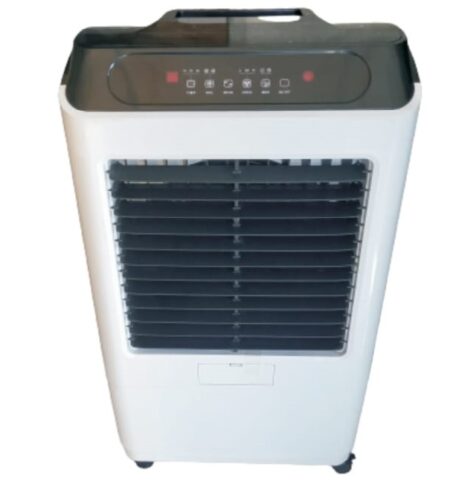
Cooling solutions play a vital role in maintaining comfort, productivity, and air quality, especially in regions with extreme temperatures. In countries like Pakistan, where summers are long and humidity levels remain relatively low in many areas, choosing the right cooling system is essential. One solution that continues to gain popularity is evaporative cooling for dry climates.
Unlike traditional air conditioning systems, evaporative cooling works with natural processes. It offers energy efficiency, fresh air circulation, and lower operating costs. This makes it particularly effective for dry and semi-dry environments.
This blog explains how evaporative cooling works, why it performs better in dry climates, and where it can be used effectively in Pakistan.
Understanding Evaporative Cooling
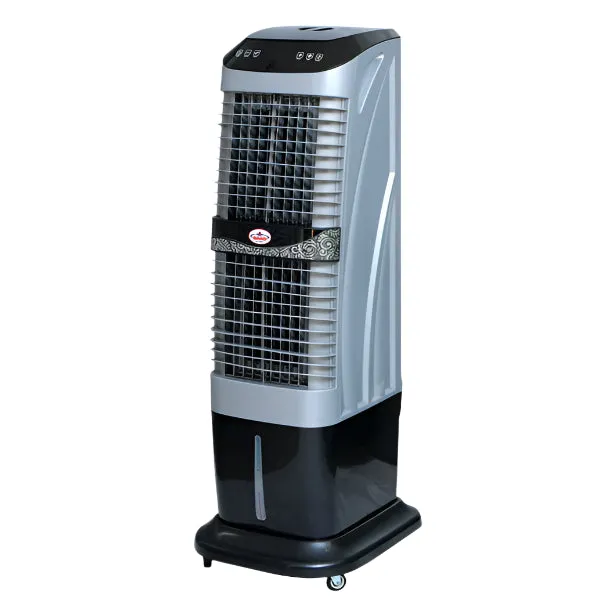
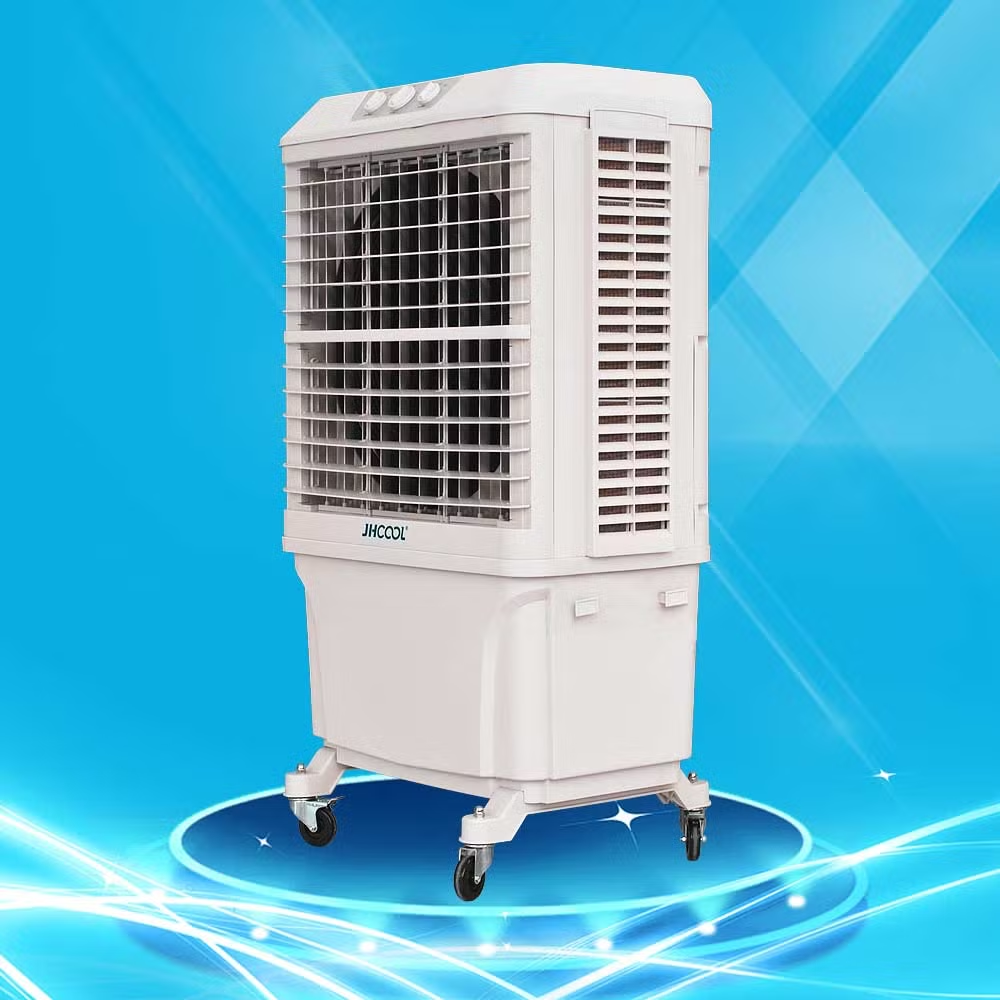
Evaporative cooling is a natural cooling method that uses water evaporation to reduce air temperature. Warm air passes through water-saturated cooling pads. As the water evaporates, it absorbs heat from the air, producing cooler airflow.
Because this process relies on evaporation, it works best when the surrounding air is dry. The drier the air, the more effective the cooling.
How Evaporative Cooling Works in Dry Climates
Dry climates have low moisture levels in the air. This allows water to evaporate quickly and efficiently. As a result, evaporative cooling systems can reduce temperatures significantly without the need for refrigerants or compressors.
In contrast, high-humidity environments limit evaporation. That is why evaporative cooling is most suitable for regions such as:
- Punjab
- Interior Sindh
- Balochistan
- Semi-arid industrial zones
These regions benefit the most from evaporative air coolers.
Evaporative Cooling vs Traditional Air Conditioning
Choosing between evaporative cooling and air conditioning depends on climate and application. The table below highlights key differences:
| Feature | Evaporative Cooling | Air Conditioning |
|---|---|---|
| Best Climate | Dry & Semi-Dry | All climates |
| Energy Consumption | Very low | High |
| Fresh Air Supply | Continuous | Limited |
| Operating Cost | Low | High |
| Environmental Impact | Eco-friendly | Uses refrigerants |
| Installation Cost | Affordable | Expensive |
For dry regions, evaporative cooling offers better efficiency and sustainability.
Key Benefits of Evaporative Cooling for Dry Climates
1. High Energy Efficiency
Evaporative cooling systems consume significantly less electricity than traditional AC units. They rely mainly on fans and water pumps, making them ideal for areas facing power shortages or rising electricity costs.
2. Cost-Effective Cooling Solution
Lower installation and operational costs make evaporative cooling a budget-friendly choice. This is especially beneficial for factories, warehouses, workshops, and commercial spaces.
3. Continuous Fresh Air Circulation
Unlike air conditioners that recycle indoor air, evaporative coolers continuously bring in fresh outdoor air. This improves indoor air quality and reduces stale air buildup.
4. Environmentally Friendly Operation
Evaporative cooling does not use chemical refrigerants. As a result, it produces minimal carbon emissions and supports sustainable cooling practices.
5. Low Maintenance Requirements
With fewer mechanical components, evaporative cooling systems require minimal maintenance. Regular cleaning and pad replacement ensure long-term performance.
Applications of Evaporative Cooling in Pakistan
Evaporative cooling systems are widely used across multiple sectors.
Industrial Facilities
Factories and production plants benefit from consistent airflow and temperature control. Evaporative cooling supports worker comfort while maintaining energy efficiency.
Warehouses and Storage Areas
Large open spaces require ventilation more than sealed cooling. Evaporative cooling systems handle high air volumes effectively.
Commercial Spaces
Shops, showrooms, workshops, and service centers use evaporative cooling to create comfortable environments without high energy bills.
Agricultural and Livestock Facilities
Evaporative cooling is ideal for poultry farms, greenhouses, and livestock sheds where fresh air circulation is essential.
Residential Use
In dry regions, homeowners use evaporative air coolers as a cost-effective alternative to air conditioning.
Why Dry Climates Benefit the Most
Evaporation depends on air’s ability to absorb moisture. Dry climates provide ideal conditions for this process. As a result:
- Cooling efficiency increases
- Temperature drops are more noticeable
- Energy consumption remains low
This makes evaporative cooling for dry climates a practical and reliable solution.
Industrial Evaporative Cooling Systems
For large-scale operations, industrial evaporative cooling systems offer high airflow capacity and robust construction. These systems are designed to handle continuous operation in demanding environments.
Common industrial features include:
- Heavy-duty fans
- High-efficiency cooling pads
- Corrosion-resistant housing
- Automated water control systems
These systems are widely used in manufacturing and processing plants across Pakistan.
Selecting the Right Evaporative Cooling System
When choosing an evaporative cooling system, consider the following factors:
- Climate Conditions – Lower humidity delivers better results
- Space Size – Larger areas require higher airflow capacity
- Ventilation Layout – Proper airflow paths enhance efficiency
- Water Availability – Continuous water supply is essential
- Energy Requirements – Ensure compatibility with power sources
Professional assessment helps in selecting the most suitable system.
Maintenance Tips for Long-Term Performance
Although evaporative cooling systems are low maintenance, basic care improves lifespan.
- Clean cooling pads regularly
- Check water pumps and distribution lines
- Ensure proper drainage
- Replace worn-out pads annually
- Inspect fans and motors periodically
Regular maintenance ensures consistent cooling performance.
Why Evaporative Cooling Is a Smart Choice for Pakistan
Pakistan’s climate conditions make evaporative cooling a practical alternative to conventional air conditioning. The combination of dry air, rising energy costs, and increasing demand for sustainable solutions makes this technology highly relevant.
For industrial and commercial users, evaporative cooling offers scalability, affordability, and environmental responsibility.
Final Thoughts
Evaporative cooling for dry climates delivers reliable, energy-efficient, and eco-friendly temperature control. Its ability to provide fresh air, reduce operating costs, and perform effectively in dry environments makes it an ideal solution for Pakistan.
As industries and businesses continue to seek smarter cooling options, evaporative cooling stands out as a future-ready choice.