As energy costs continue to rise worldwide, consumers and businesses are actively searching for cooling solutions that are both cost‑effective and energy‑efficient. One of the most common questions people ask today is whether evaporative coolers are a better alternative to traditional air conditioners when it comes to electricity consumption, performance, and long‑term savings.
In this detailed comparison guide, we will compare evaporative coolers with traditional air conditioners for energy efficiency, operating cost, cooling performance, environmental impact, and suitability for different climates. This guide will help homeowners, businesses, and industrial users make an informed decision.
Understanding Evaporative Coolers
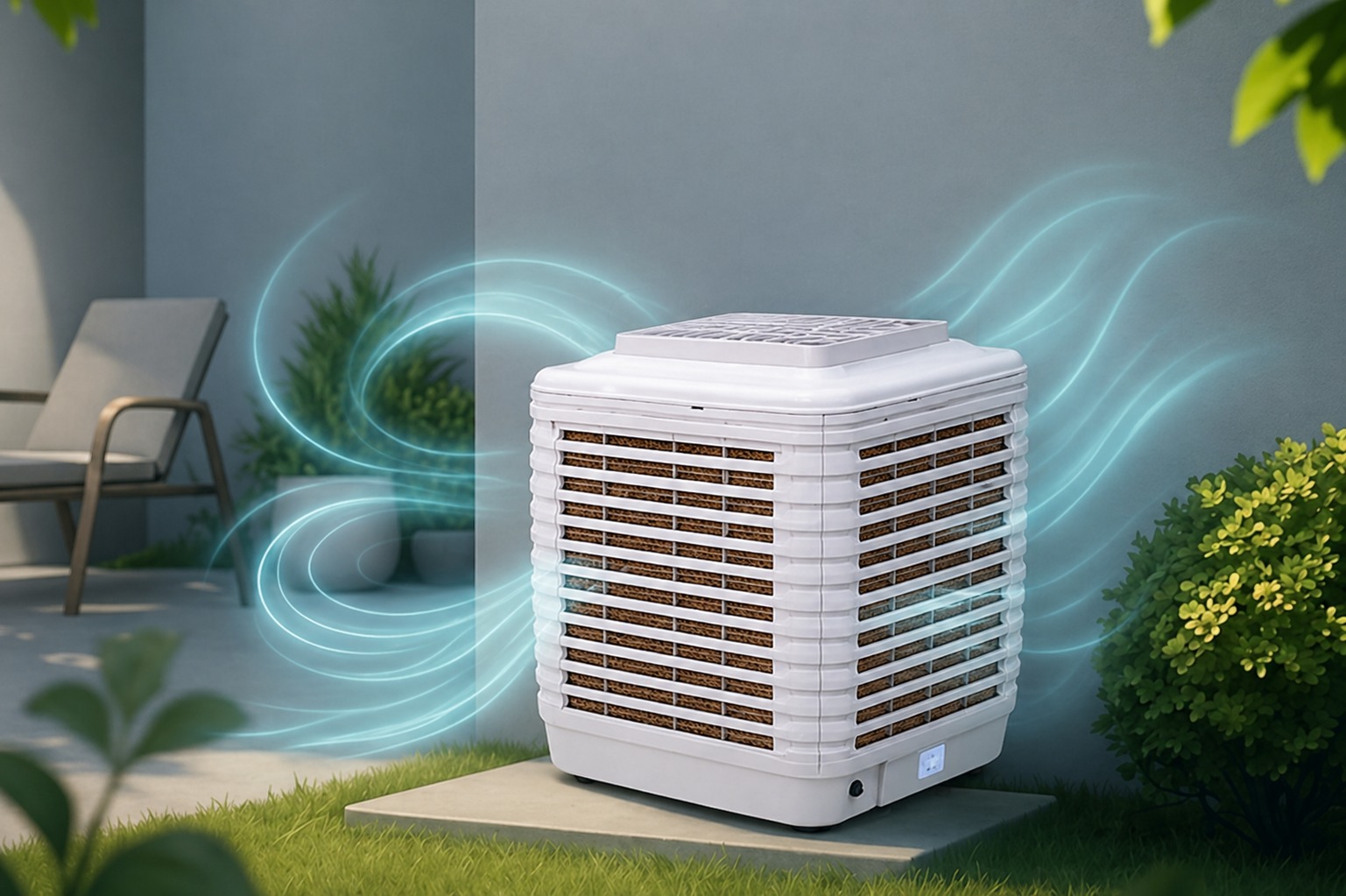
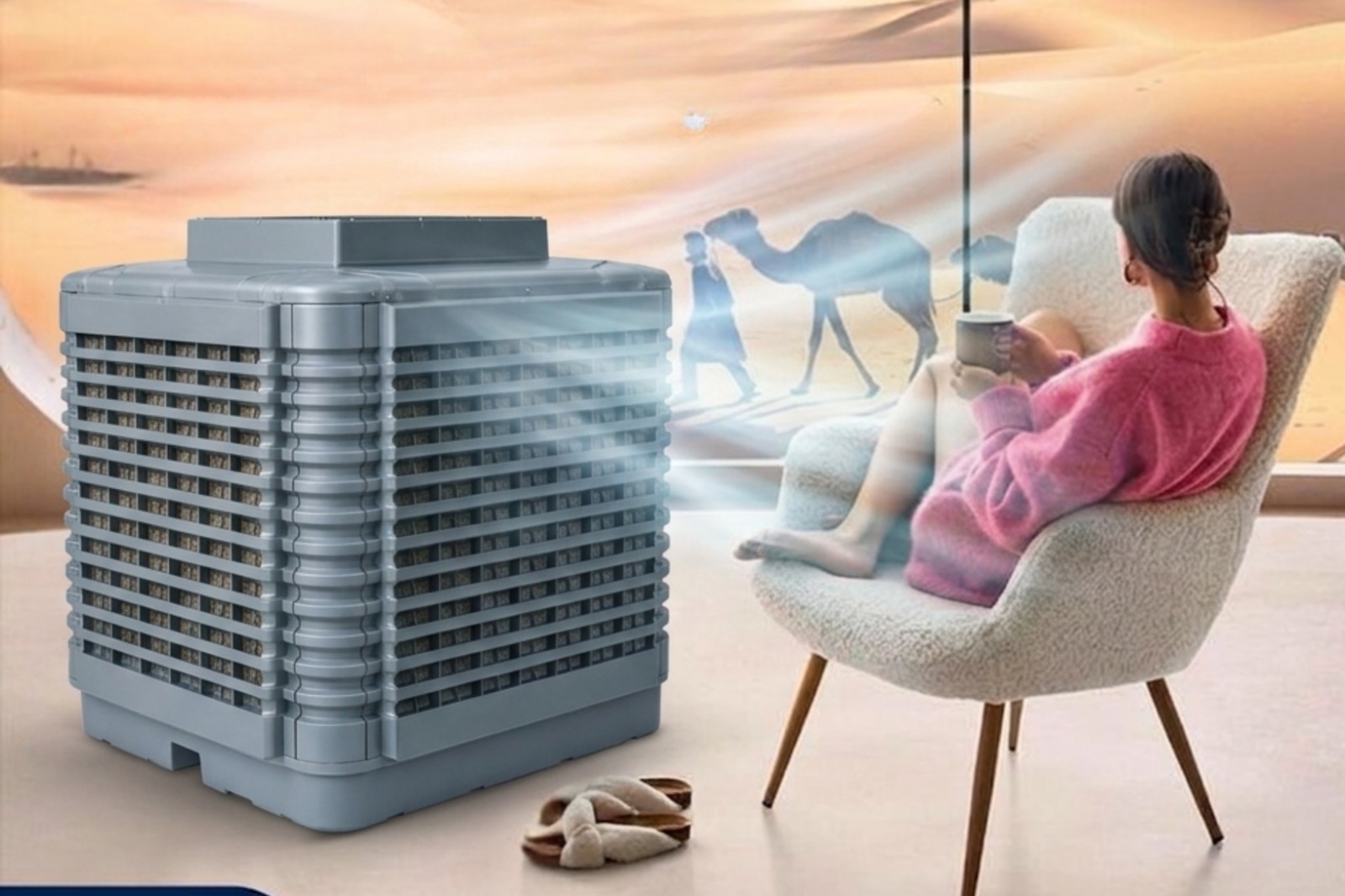
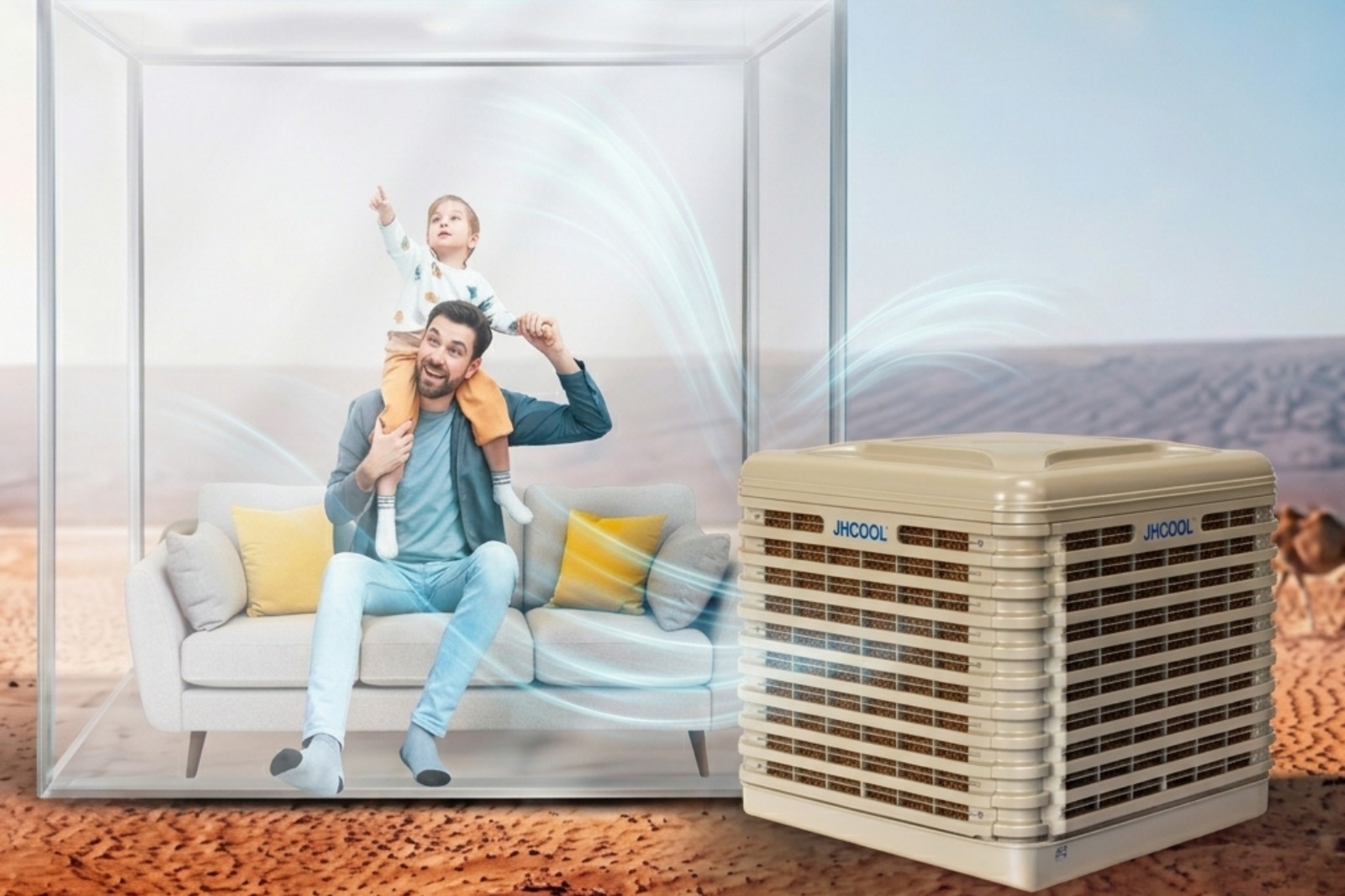
Evaporative coolers, also known as air water coolers, use a natural cooling process based on water evaporation. Warm air is drawn through water‑soaked cooling pads. As the water evaporates, heat is absorbed, and cool air is released into the space.
Because evaporative coolers do not rely on compressors or refrigerant gases, they consume significantly less electricity than air conditioners. They also continuously circulate fresh air instead of recirculating indoor air.
Key Features of Evaporative Coolers
- Low electricity consumption
- Fresh air circulation
- Simple working mechanism
- Eco‑friendly cooling process
- Lower installation and maintenance costs
Evaporative cooling works best in hot and dry climates, making it an ideal option for many regions.
Understanding Traditional Air Conditioners
Traditional air conditioners use refrigerant-based technology to remove heat and control indoor temperature with precision. They work by circulating cool air in closed spaces, making them ideal for homes, offices, and commercial environments.
These systems provide consistent and powerful cooling regardless of outside humidity, ensuring comfort even in extreme heat. However, they consume more electricity compared to air coolers and require proper installation and maintenance for optimal performance.
Key Features of Air Conditioners
- Powerful cooling output
- Effective in humid climates
- Sealed indoor environment
- Higher power consumption
- Expensive installation and maintenance
Air conditioners are commonly used in homes, offices, malls, and hospitals where precise temperature control is required.
Energy Efficiency Comparison: Evaporative Coolers vs Air Conditioners
When comparing evaporative coolers with traditional air conditioners for energy efficiency, the difference is significant.
Power Consumption Comparison
- Evaporative Cooler: Typically consumes 120–300 watts
- Air Conditioner: Consumes 1500–2500 watts or more
This means an air conditioner may use 5 to 10 times more electricity than an evaporative cooler for the same duration.
As a result, evaporative coolers are a preferred option for users looking to reduce electricity bills while maintaining reasonable cooling comfort.
Operating Cost Comparison
Evaporative Coolers
- Low electricity bills
- Minimal maintenance cost
- No expensive spare parts
- Long operational life
Traditional Air Conditioners
- High monthly electricity bills
- Regular servicing required
- Costly repairs and gas refilling
- Higher long‑term expenses
From a cost perspective, evaporative coolers clearly outperform air conditioners, especially for long daily usage.
Environmental Impact and Sustainability
Energy efficiency is not just about saving money—it is also about reducing environmental impact.
Evaporative Coolers
- No refrigerant gases
- Low carbon footprint
- Environmentally friendly
- Supports sustainable cooling
Air Conditioners
- Uses harmful refrigerant gases
- High energy consumption
- Greater environmental impact
Due to increasing awareness about climate change and sustainability, many users are switching to evaporative cooling as a greener alternative.
Cooling Performance in Different Climates
Climate plays a major role in deciding which cooling system is more effective.
Evaporative Coolers Perform Best When:
- Climate is hot and dry
- Space has good ventilation
- Fresh airflow is required
Air Conditioners Perform Best When:
- Climate is hot and humid
- Space is enclosed
- Precise temperature control is needed
Therefore, when comparing evaporative coolers with traditional air conditioners for energy efficiency, evaporative coolers are ideal for dry climates, while air conditioners are more suitable for humid regions.
Installation and Maintenance Comparison
Evaporative Coolers
- Easy installation
- No duct sealing required
- Simple maintenance
- Easy to repair
Air Conditioners
- Complex installation
- Requires professional setup
- Regular servicing needed
- Higher repair costs
For users who prefer low‑maintenance cooling solutions, evaporative coolers are the clear winner.
Air Quality and Ventilation
Air quality and proper ventilation play a crucial role in maintaining a healthy and comfortable indoor environment. Good ventilation ensures a continuous flow of fresh air while removing heat, dust, and pollutants from enclosed spaces.
Effective airflow not only improves cooling performance but also supports better health, productivity, and overall comfort. Proper ventilation is especially important when using air coolers, as it enhances efficiency and delivers cleaner, fresher air.
Suitability for Homes, Businesses, and Industry
Evaporative Coolers Are Ideal For:
- Homes and apartments
- Shops and showrooms
- Warehouses and factories
- Workshops and production floors
Air Conditioners Are Ideal For:
- Offices and corporate spaces
- Hospitals and labs
- Enclosed residential rooms
- Humid environments
Choosing the right system depends on usage type, climate, and energy goals.
Which One Is More Energy Efficient?
When the primary goal is energy efficiency, evaporative coolers clearly outperform traditional air conditioners. They consume less power, reduce electricity bills, and offer sustainable cooling.
However, air conditioners may still be necessary in environments where humidity control and precise temperature regulation are critical.
Final Verdict: Evaporative Coolers vs Traditional Air Conditioners
If you are looking to reduce energy consumption, lower electricity bills, and adopt an eco‑friendly cooling solution, evaporative coolers are the smarter choice.
On the other hand, if you require strong cooling in a sealed, humid environment, traditional air conditioners may still be suitable despite higher energy costs.
By understanding your climate, space requirements, and energy priorities, you can select the cooling system that offers maximum efficiency and long‑term value.