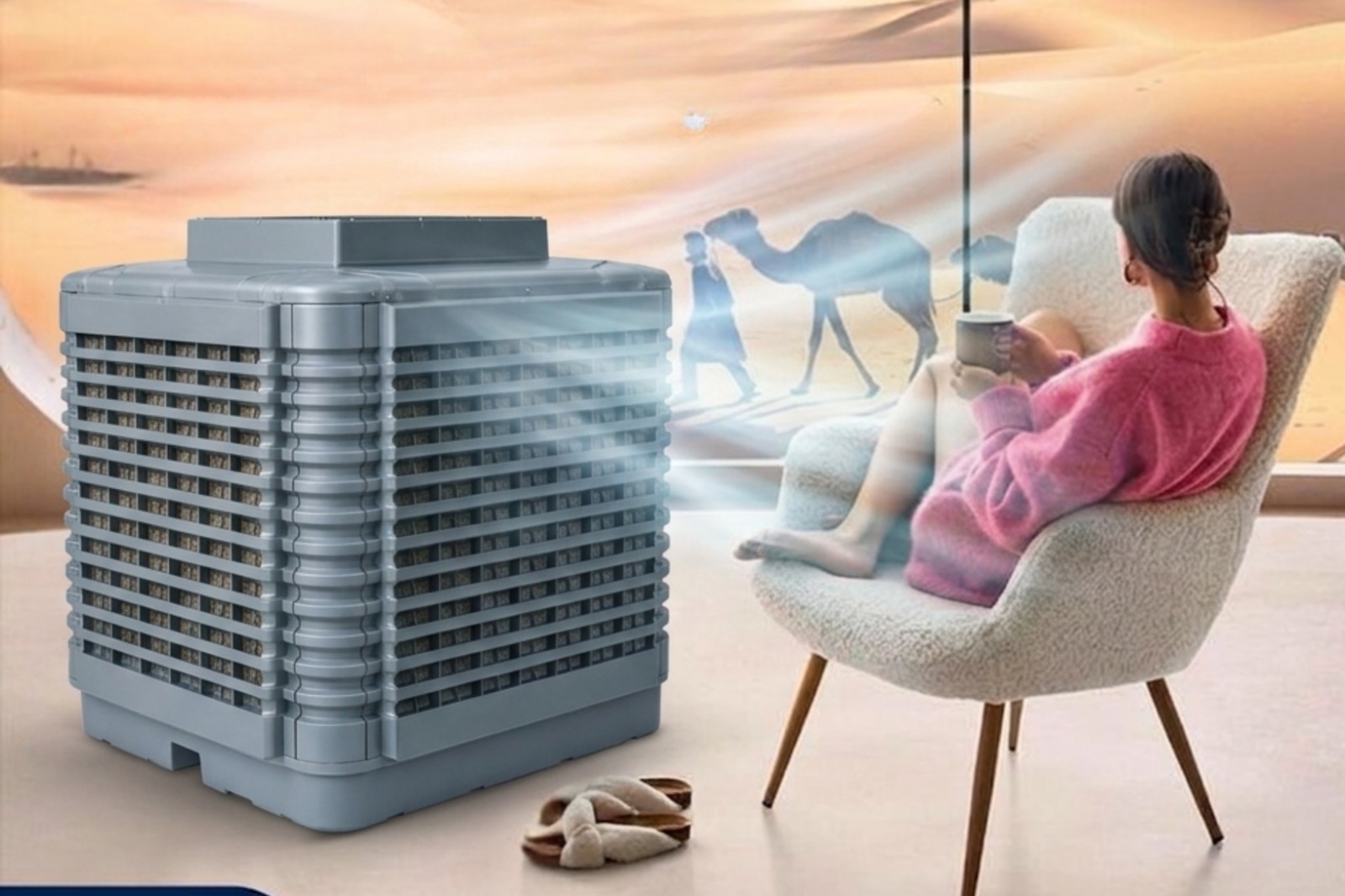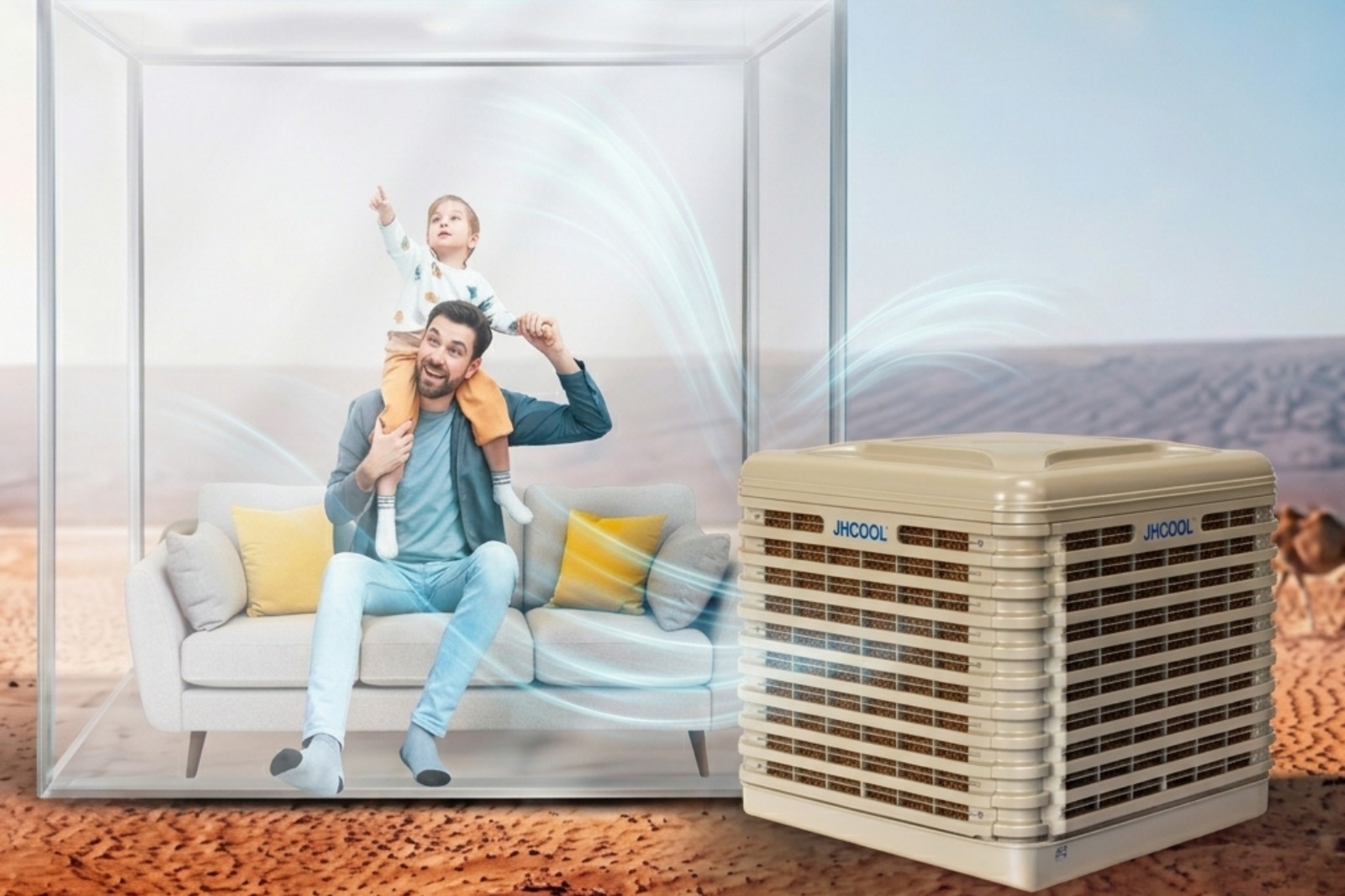
Summer in Pakistan is no joke. When temperatures in cities like Lahore, Karachi, and Multan cross 45°C, classrooms turn into ovens. Students lose focus, teachers struggle to teach, and the entire learning environment suffers. That is why more and more schools across Pakistan are now investing in air coolers to keep their classrooms cool, comfortable, and productive.
If you are a school administrator, principal, or procurement manager looking for the best air cooler for schools and classrooms in Pakistan in 2026, you have landed on the right page. This guide will walk you through everything you need to know before making a purchase decision.
Why Schools in Pakistan Need Air Coolers ?
Pakistan’s summer season stretches from April to September, and during peak months, indoor temperatures without any cooling solution can easily reach 38°C to 42°C inside a classroom. Research consistently shows that students in hot environments have significantly lower concentration levels, reduced memory retention, and poor academic performance.
Air conditioners are one solution, but for most schools in Pakistan, especially government and semi-government institutions, the cost of purchasing and running ACs in every classroom is simply not feasible. Electricity bills skyrocket, installation costs are high, and maintenance adds up over time.
This is exactly where an electric air cooler steps in as the smart, budget-friendly alternative. Air coolers consume up to 80% less electricity than air conditioners, require minimal maintenance, and can cool a large classroom space effectively when used properly.
How Does an Electric Air Cooler Work ?
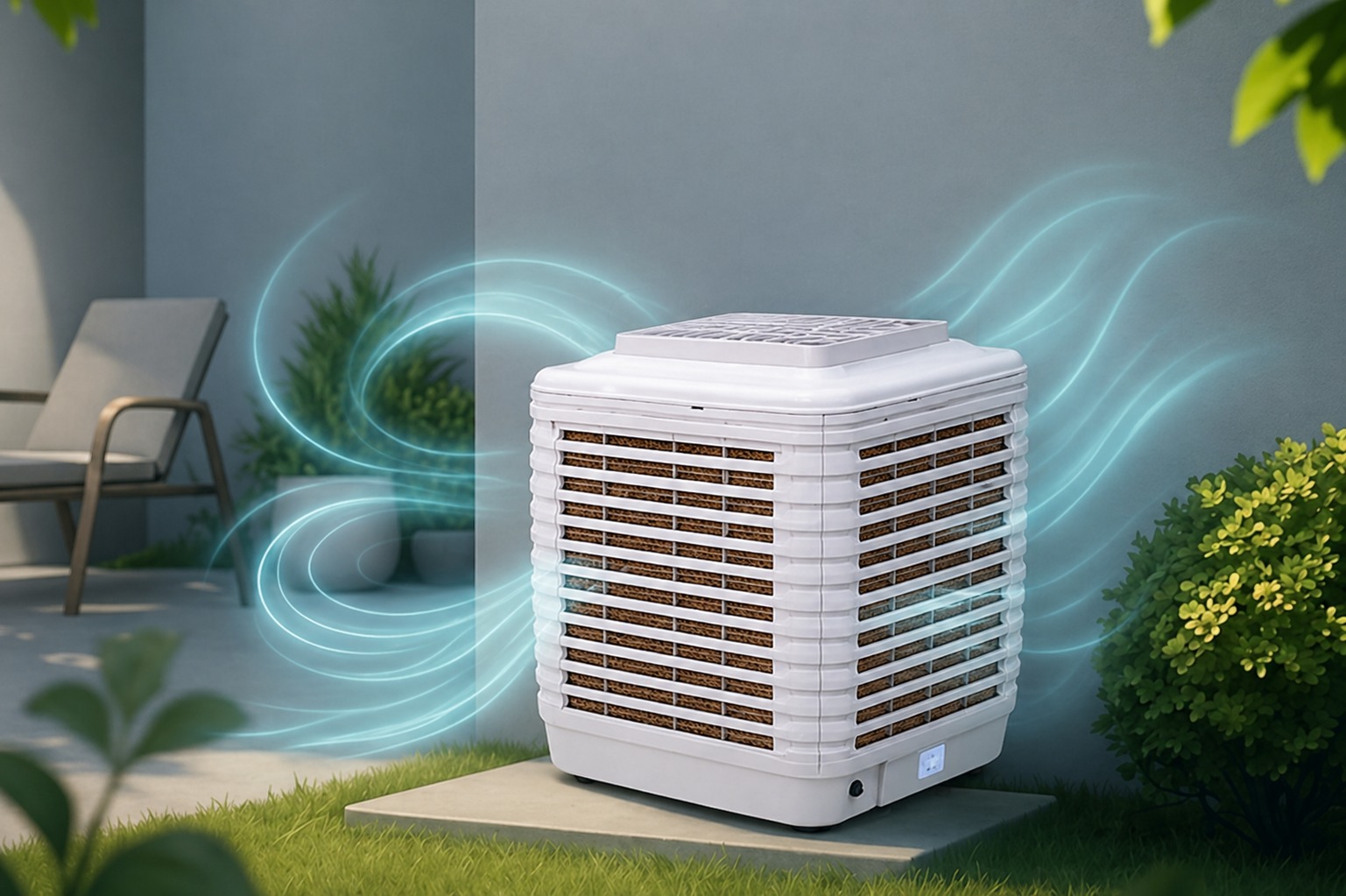
An electric air cooler works on the principle of evaporative cooling. Hot air from the room is pulled into the unit through water-soaked cooling pads. As the air passes through these wet pads, the water evaporates and absorbs heat from the air. This cooled air is then pushed back into the room by a fan.
The result is a drop of 5°C to 15°C in the perceived temperature, depending on the humidity level and size of the room. Electric air coolers work best in dry and hot climates, which makes them perfectly suited for most regions of Pakistan including Punjab, Sindh, KPK, and Balochistan.
Key Features to Look for in a School Air Cooler
Before buying an air cooler for your school, there are several important features you should consider.
**Cooling Capacity and Tank Size**
For a standard classroom that accommodates 30 to 40 students, you need a cooler with a water tank capacity of at least 30 to 50 liters. A larger tank means longer operation between refills, which is important in a school setting where staff cannot keep refilling the tank every hour.
**Fan Speed and Airflow**
Look for a model that offers at least three fan speed settings including low, medium, and high. Good airflow measured in cubic meters per hour (CMH) ensures that cool air reaches every corner of the classroom. For a room of 400 to 600 square feet, aim for a cooler with a minimum airflow of 3000 CMH.
Cooling Pad Quality
Honeycomb cooling pads are far superior to traditional wood wool pads. They have better water absorption, higher cooling efficiency, and a longer lifespan. Always check the type of cooling pad before purchasing.
Noise Level
Classrooms require a quiet environment for effective teaching. Choose a cooler that operates below 60 decibels at medium fan speed. Excessive noise from a cooler can disturb lessons and frustrate both teachers and students.
Durability and Build Quality
School equipment goes through heavy daily use. The outer body should be made of high-quality ABS plastic or metal that can handle bumps, accidental impacts, and years of continuous operation. Cheap plastic models may save money upfront but end up costing more in repairs and replacements.
Energy Consumption
Since schools operate coolers for 6 to 8 hours per day, energy consumption matters a lot. A good school air cooler should consume between 150 to 250 watts per hour. This keeps electricity costs low while maintaining effective cooling throughout the school day.
Castor Wheels
Mobility is a practical advantage in schools. A cooler with smooth castor wheels can be moved from one classroom to another during different periods, maximizing its use across the school.
Best Placement for Air Coolers in Classrooms
Where you place the air cooler in a classroom makes a huge difference in its performance. Here are some placement tips that school staff should keep in mind.
Place the air cooler near a window or ventilation opening so that fresh air can be drawn in. Air coolers need a constant supply of fresh air to work efficiently. A closed room with no ventilation will not allow the cooler to perform at its best.
Position the cooler at the front of the classroom facing the students. This way the cool air flows in the direction of the seated students, maximizing comfort across the entire room.
Keep some windows or doors slightly open to allow hot air to escape. Cross ventilation significantly improves the cooling effect of an evaporative cooler.
Avoid placing the cooler in a corner where airflow is blocked by walls on multiple sides. The cooler needs clear space around it for proper air intake and output.
Air Cooler vs Air Conditioner for Schools
This is a common debate among school management teams in Pakistan. Let us break it down clearly.
An air conditioner provides more powerful cooling and works even in humid conditions. However, the purchase cost is significantly higher and installation adds to the total expense. Monthly electricity consumption for multiple AC units running throughout the school day adds up to massive bills, especially when multiplied across many classrooms.
An electric air cooler, on the other hand, costs significantly less to buy and runs at a fraction of the electricity cost. For a school with 20 classrooms, switching from ACs to air coolers could save hundreds of thousands of rupees annually on electricity alone. The trade-off is that coolers are less effective in very humid conditions, but for most parts of Pakistan, they deliver excellent results during the hot summer months.
For schools operating on a budget, which is the reality for the vast majority of institutions in Pakistan, an air cooler is simply the more practical, cost-effective, and sustainable choice.
Maintenance Tips for School Air Coolers
Proper maintenance ensures your air cooler performs well and lasts for many years. School staff should follow these simple steps.
Clean the water tank at least once a week to prevent algae and bacterial growth. Dirty water not only reduces cooling efficiency but can also spread unpleasant odors in the classroom.
Inspect and clean the cooling pads every two to three weeks. Remove dust, mineral deposits, and debris that accumulate over time. Replace the pads once a year or when they start showing signs of wear.
Check the water pump regularly to ensure it is distributing water evenly across the cooling pads. A malfunctioning pump leads to dry spots on the pads and reduced cooling performance.
Clean the fan blades and the outer vents monthly to keep airflow unobstructed. Dust accumulation on fan blades can reduce airflow and increase noise levels.
At the end of the summer season, drain the water tank completely, clean all internal components, and store the cooler in a dry place. This extends the life of the unit significantly.
How Many Air Coolers Does a School Need ?
The number of air coolers required depends on the size and layout of each classroom. As a general rule, one large air cooler with a high CMH rating is sufficient for a standard classroom of 30 to 40 students in a room of 400 to 600 square feet.
For larger auditoriums, assembly halls, or computer labs with more square footage, you may need two coolers placed on opposite ends of the room to ensure even air distribution.
School offices, staff rooms, and reception areas can typically be cooled with a medium-sized unit.
Cost Benefit Analysis for Schools
Choosing air coolers over air conditioners brings measurable financial benefits for schools across Pakistan. Air coolers draw far less electricity per hour compared to AC units. When you multiply those savings across multiple classrooms running through an entire summer season, the difference becomes very significant.
Beyond electricity, air coolers also cost less to purchase, are easier to install since they require no special wiring or wall fitting, and have lower maintenance costs over their lifetime. For schools managing tight annual budgets, these savings can be redirected toward other educational resources, infrastructure improvements, or staff development.
For schools under financial constraints, air coolers are not just a good option. They are the responsible and practical choice.
Things to Avoid When Buying an Air Cooler for Schools
Not every air cooler on the market is suitable for school use. Here are some common mistakes to avoid when making a purchase.
Do not buy a cooler that is too small for the room size. A unit designed for a small bedroom will struggle to cool a classroom of 40 students and will run continuously without achieving desired results.
Avoid models with cheap plastic cooling pads. They degrade quickly and need frequent replacement, increasing your total cost of ownership.
Do not ignore after-sales service. Always buy from a brand or supplier that offers a reliable warranty and has local service centers in your city. A cooler that breaks down in June with no available technician is a serious problem.
Avoid coolers without a water level indicator. In a busy school environment, staff need to quickly check the water level without opening the unit. This small feature saves a lot of inconvenience.
Do not place the cooler in a fully sealed room. Evaporative coolers need fresh air circulation to work. A sealed room will increase humidity rapidly and reduce cooling efficiency.
Why Investing in Classroom Cooling Improves Academic Performance ?
This point deserves special attention because it is the real reason behind every purchase decision a school makes. The goal is not just comfort. It is better learning outcomes.
Multiple studies on the relationship between classroom temperature and student performance show that students in cooler environments score higher on tests, demonstrate better focus during lessons, show improved attendance rates since students are less likely to feel sick or fatigued, and exhibit better behavior with fewer discipline issues related to heat-induced irritability.
Teachers also perform better in cooler classrooms. Heat exhaustion affects concentration and energy levels for educators just as much as for students. A comfortable teaching environment leads to more engaging and effective lessons.
When a school invests in proper classroom cooling, it is not spending money on a luxury. It is investing directly in the quality of education it delivers.
Final Thoughts
Choosing the best air cooler for schools and classrooms in Pakistan in 2026 comes down to understanding your space, your budget, and your operational needs. An electric air cooler with the right capacity, good build quality, honeycomb cooling pads, and low energy consumption is the ideal solution for most Pakistani schools.
The summer heat is not going away. In fact, with rising temperatures year after year, the need for effective classroom cooling is becoming more urgent than ever. Schools that take proactive steps now will see immediate benefits in student wellbeing, teacher performance, and overall academic outcomes.
If you are looking for a reliable, energy-efficient, and school-grade air cooler for your institution, make sure to evaluate your options carefully using the criteria outlined in this guide. Your students deserve a comfortable environment where they can learn, grow, and thrive regardless of what the temperature is outside.