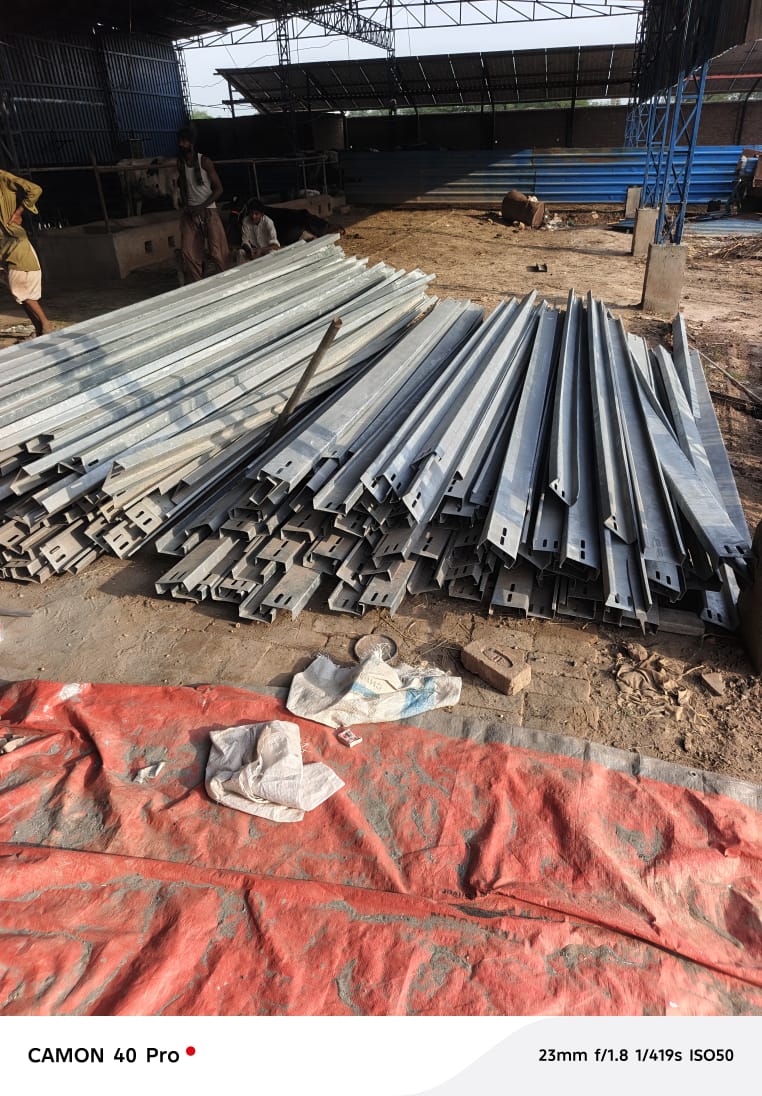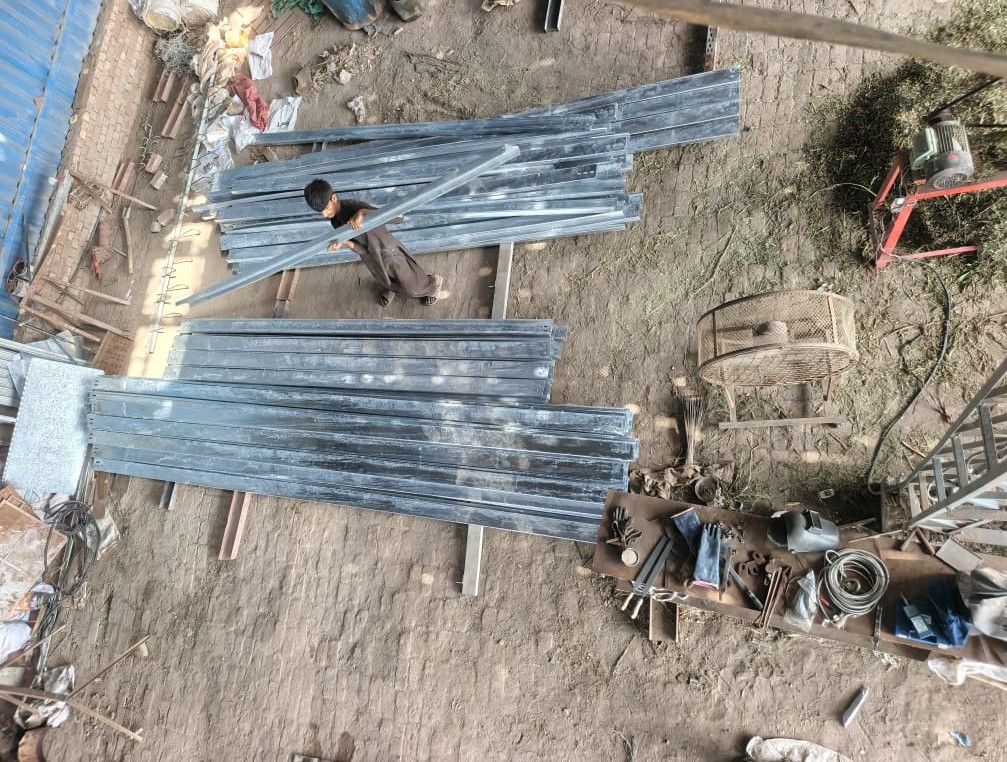
If you’re a fabricator, EPC contractor, or solar installer working anywhere between Multan and the surrounding districts of South Punjab, sourcing reliable hot dip galvanizing has become a real logistics challenge. Most large plants are concentrated around Lahore, Karachi, and Sialkot — which means steel from Multan, Khanewal, Vehari, or Bahawalpur often has to travel hundreds of kilometers just to get a corrosion-resistant zinc coating.
This guide looks at why that’s changing, which industries in the region actually need galvanized steel, and what to check before choosing a supplier close to home. (If you want the full technical breakdown of the galvanizing process, equipment and cost .
Why South Punjab Needs Local Galvanizing Capacity
Multan sits at the center of a farming, textile, and fast-growing solar belt. Steel demand here isn’t small — it’s just spread across a wide radius instead of being concentrated in one industrial city. A few things are driving it:
- Solar power projects across the Multan–Bahawalpur corridor need galvanized mounting structures that can survive years of direct heat and dust without rusting.
- Agricultural infrastructure — poultry sheds, tube well structures, greenhouse frames, and storage sheds — is expanding fast across the cotton and wheat belt.
- Road and canal infrastructure work tied to ongoing development projects needs corrosion-protected barriers, railings, and support structures.
- Textile and light engineering units, especially around Khanewal and Multan’s industrial estates, regularly need fabricated steel parts protected against humidity and chemical exposure.
Shipping raw or fabricated steel to Lahore or Karachi and back adds transport cost, handling risk, and turnaround delays — all of which eat into a contractor’s margin. That’s the practical case for galvanizing capacity based in or near Multan.
Multan and the Districts It Serves
Multan isn’t just a city — it’s the natural service hub for a cluster of nearby districts, each with its own steel demand:
Khanewal, about 50 km from Multan, has a strong base of light industry and agricultural equipment manufacturing, including the industrial belt around Kabirwala, where fabrication units regularly need corrosion protection for farm machinery and structural parts.
Vehari, roughly 65 km away, along with its tehsil Mailsi, is heavily agricultural — tube well frames, livestock shed structures, and irrigation equipment are common galvanizing needs here.
Muzaffargarh, just 40 km from Multan, has growing demand tied to both agriculture and small-scale construction, but very limited access to nearby galvanizing services.
Lodhran (around 55 km) sits along the same industrial corridor and shares similar fabrication and agri-equipment demand.
Bahawalpur, about 95 km southeast, is one of the most important markets in the region because of its large-scale solar power installations — ground-mounted solar frames there require galvanized steel to handle extreme heat and dust for decades without maintenance.
Sahiwal, roughly 100 km away, and Jhang, connected via the Multan road at around 110 km, both have established fabrication and engineering workshops that currently rely on galvanizing services outside their own districts.
Dera Ghazi Khan and Rajanpur, further south, are seeing rising construction and infrastructure activity but remain some of the most underserved areas for corrosion-protection services in Punjab.
Bahawalnagar rounds out the region, with similar agricultural and small-industry demand to its neighboring districts.
For contractors and fabricators working in any of these areas, having a galvanizing partner based in Multan cuts travel time dramatically compared to routing steel through Lahore or Karachi.
What Local Buyers Should Actually Check
Distance is only part of the decision. Before committing to a plant, it’s worth confirming:
- Coating standard compliance — ask for certification against ASTM A123 or ISO 1461, regardless of how close the plant is.
- Turnaround time — a nearby plant only helps if it can actually process and return your steel quickly during peak construction or solar-installation seasons.
- Handling capacity for your part sizes — solar structures, transmission poles, and agricultural frames all have different kettle-size and crane requirements.
- Consistent zinc quality — since zinc is largely imported, ask how the plant manages supply during rupee fluctuations, as this can affect both cost and coating consistency.
- After-sales support and repeat capacity — for ongoing projects like solar farms or agricultural equipment production, you want a supplier who can handle recurring, not just one-off, batches.
The Bigger Picture
As solar expansion continues around Bahawalpur, agricultural mechanization grows in Vehari and Khanewal, and infrastructure spending increases in Dera Ghazi Khan and Rajanpur, the case for galvanizing capacity closer to South Punjab will only get stronger. Fabricators who build a relationship with a nearby, standards-compliant plant now will save on logistics and turnaround time as that demand keeps rising.
For a full breakdown of how the galvanizing process works, what a plant costs to set up, and how to evaluate a manufacturer nationally, see our complete guide: Hot Dip Galvanizing Plant in Pakistan.
Frequently Asked Questions
Q1. Is there a hot dip galvanizing plant near Multan? Multan-based facilities and service points are increasingly serving South Punjab, reducing the need to send steel to Lahore or Karachi for galvanizing.
Q2. Which nearby cities benefit most from a Multan-based galvanizing service? Khanewal, Vehari, Muzaffargarh, Lodhran, Bahawalpur, Sahiwal, Jhang, Bahawalnagar, Dera Ghazi Khan, and Rajanpur all sit within reasonable transport distance of Multan and currently rely on distant plants.
Q3. Why does Bahawalpur specifically need galvanized steel? Bahawalpur’s large-scale solar installations require corrosion-resistant mounting structures that can withstand years of heat and dust exposure without maintenance.
Q4. What should I check before choosing a galvanizing supplier in South Punjab? Confirm ASTM A123 / ISO 1461 compliance, realistic turnaround time, kettle capacity for your part sizes, and whether the supplier can handle recurring orders.